Showing posts with label Sydney dental implants. Show all posts

Saturday, October 8, 2022

The Many Benefits of Digital Dental Implants

 sydney dental implants

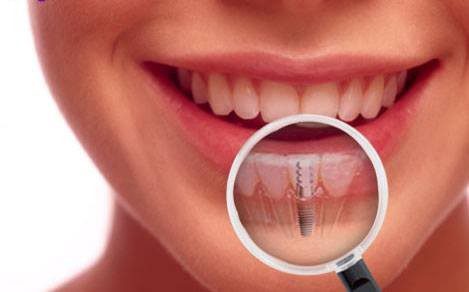
Digital dental implants are growing in popularity due to the fact that they provide more precision, fewer errors, faster treatment times, and overall less-invasive procedures when compared to traditional dental implants. With more and more dentists embracing this technology, it’s time for you to learn about all of the benefits digital dental implants in Sydney have to offer. Here are the top advantages digital dental implants can offer you!

Immediate Fit

Digital dental implants in Sydney are a great solution for those who have lost teeth and are looking to replace them with implants. They can often be placed in just one visit, which is a huge advantage over traditional implant procedures that require multiple visits.  There is also less chance of rejection because the devices use titanium as opposed to metal-based materials. Additionally, there is more control over the implant process because digital technology gives the implant dentist in Sydney more information about the placement of the device, such as how much bone will need to be removed during surgery.

Less Invasive

Digital Sydney dental implants are a new, more effective way to replace missing teeth. This procedure requires less drilling and bone removal than older implant methods and can be completed in one day.  The surgery is also less invasive as the implant is inserted through the gum, rather than directly into the jawbone. Patients typically experience little discomfort after surgery and return to their normal routines within a few days.

Precise Placement of Dental Implants

Digital dental implants offer many benefits to patients. One major benefit is precision placement. This is due to the accuracy and precision that digital tools provide. The dentist can use a 3-D model created by the computer to plan out where the implant will go before it's even placed in the patient's mouth.

Faster Healing Time

In the past, dental implants required surgery to be inserted into the jawbone. These days, a small titanium screw is placed on top of your toothless area. This screw anchors the implant in place and it can take between four and six months for it to heal. During this time, you will have to wear an acrylic partial denture or wait until the healing process is complete before receiving a permanent one.

A digital x-ray ensures that the implant will fit perfectly, which means less manipulation during the insertion procedure. You are also able to receive a temporary crown during this time which protects your natural teeth from further damage.

If you’re looking for an easier, more comfortable experience, digital dental implants are the way to go. They provide a better overall experience in that they are more comfortable, easier to clean and maintain, and have less risks of complications than traditional implants.

Friday, September 9, 2022

Caring For Your Dental Implants Post-Surgery

Sydney dental implants

Dental implants are one of the best solutions for missing teeth, offering long-lasting, comfortable replacements that can be difficult to achieve with traditional dentures or bridges. A dental implant is a titanium post that is surgically placed into the upper or lower jawbone of a patient who has had a tooth extracted. The artificial tooth then screws onto the top of the implant and usually looks and feels very natural.

In fact, Sydney dental implants are an excellent option for patients who have had tooth loss and want to replace them with something more substantial than dentures or dental bridges, especially if they want to keep their natural teeth intact or choose not to wear dentures at all. After your dental implant surgery, you may be wondering what to expect as far as after-care goes and whether there are any special things you should do during this time period in order to ensure that your dental implants heal properly and that you have a healthy smile down the road.

It’s important to know how to take care of your dental implants after surgery and caring for your oral health post-dental Tooth Implants Sydney so you can go about your life comfortably with the new additions to your smile! While nothing can replace your regular appointments with your dentist, the following guide will give you some important tips and instructions on how to take care of your new dental implants after surgery so that you can keep your teeth healthy in the future. To know more about caring for your dental implants, click here.

Tuesday, August 2, 2022

Tips To Manage And Treat Post-Dental Implant Surgery Pain

In Sydney, dental implants would easily replace the functioning of your missing teeth and help you gain back your self-confidence. But many people who signs up for dental implants in Sydney worry a lot about the pain affiliated with the surgery and the recovery phase that comes after it.

The actual procedure doesn’t hurt since your dentist would administer local or general anaesthesia to numb your mouth. But once the lack of sensation wear off, you would surely experience some discomfort. The level of distress usually depends on the complexity of your oral condition or the duration of the surgery. In addition to the soreness, you will also experience other regular side effects like swelling, bleeding, bruising to the gum etc.

While a fraction of people could feel considerable pain due to failed implant surgery or other oral complications related it, most patients admit that they have experienced lesser pain than they had anticipated.

Some tricks to deal with the pain when you are recovering from a dental implant surgery are given below,

  • Choose a skilled surgeon

If you want to obtain best results, find a surgeon who is specialised in placing teeth implants in Sydney. It requires a formidable skill to insert implants at the right positions and avoid damaging the facial nerves. If done incorrectly dental implant surgery could result in various oral complications. Only an experienced surgeon could minimise the risk of a failed implant procedure.

  • Pay attention to the advice of your dentists

After the surgery, you would be mostly provided with a list of after-care instructions from your dentists. Follow these instructions carefully during the recovery phase.

  • Painkillers

Consume the painkillers prescribed by your dentist at regular intervals. If you could not find any relief, inform your dentist. He/she might recommend a stronger dose.

  • Icepacks

The level of swelling could be reduced by applying icepack over the area where the surgery was performed. For best results, use frozen peas.

  • Warm salt-water

You would be asked to bathe your gums using warm salt-water. But take care not swish or gargle as these actions could inhibit the healing process.

  • Diet

The type of food you consume plays an important role in hastening the process of your recovery. Avoid hard/solid foods that could cause irritation. Inside prefer soft and cold varieties like yogurt, ice cream and smoothies etc.

  • Take care of your oral hygiene

Though it could quite hard to brush or floss when you are recovering from an oral surgery, it is very essential to maintain a good oral hygiene.

Normally the swelling recedes in 3 to 5 days and the pain must be gone completely within 10 days. If you happen to feel any side-effects after the regular timeline or when the pain becomes unbearable, do not hesitate to contact your dentist.

Saturday, June 25, 2022

All About Dental Implants And Its Types

Dental implants that are widely in use today were invented in the 19th century. Today, they are considered as the standard prosthetic replacement of missing teeth in dentistry. The dental implant that acts as the replacement for the lost teeth is fixed into the jawbone, which fuses with the bone over time. The artificial tooth root holds the replacement teeth or bridge. As the dental implant stands without any support and has excellent stability, these are considered to mimic the natural teeth.

What Are Dental Implants?

The dental implants are usually made of titanium which has the ability to fuse into the bone without being rejected by the immune system. These implants fuse to the jawbone through a process called Osseointegration. Over time, technology has advanced and significantly improved the dental implants success rate close to 98%.

When Is A Dental Implant Needed?

Dental implants are used as the replacement of single teeth or several teeth or all the teeth. You have three options when it comes to teeth replacements. They are complete or partial dentures, fixed dental bridges, and dental implants.

Dentures are the most affordable option among the three but are least desired because of their inconvenience as they are removable. It also affects tastes and sensory experience of food. Dental bridges were much used before dental implants came into play, but it had a significant disadvantage of dependence on the adjacent natural tooth for support. But implants are anchored to bones and do not require any additional support.

Deciding On Which Treatment To Choose Depends On Several Factors Such As:

  • Location of the missing teeth
  • Cost
  • Patient preference
  • Quality of the jawbone

The dentists examine the patient and assess whether he is a good candidate for dental implants and discuss dental implants cost with them. As the dental implants integrate with the bone, they are more stable and look and feel like natural teeth.

Types Of Dental Implants:

There are two types of implants, the endosteal and subperiosteal implants. Endosteal implants are implanted directly into the jawbone. After the surrounding gum tissues cure, the artificial tooth or teeth are fixed to the post individually. Subperiosteal implants consist of metal frames that rest on top of the jawbone under the gum. However subperiosteal implants are not in practice now because of their poor long-term results.

There are some secondary uses of implants to assist other dental procedures. Due to their stability, they can be used to support removable dentures providing a more comfortable and secure fit.  Besides, dental mini implants can be used in orthodontics as temporary anchorage devices to help move teeth in the desired position.

Cost Of Dental Implants:

In Sydney, dental implants costs may vary with the location of the missing tooth and its severity. As dental implants offer a conservative approach, provide predictable results and last a lifetime, the money invested worth it.

Saturday, March 12, 2022

Dental Implants – Aftercare for a Smooth Experience

Dental Implants - Aftercare for a Smooth Experience

Some aspects of dental implant treatment differ from patient to patient, which include aftercare instructions. The dentist tailors the procedure to fit their patient needs and goals. It is good to know how to get ready for dental implant procedures while talking about aftercare.

How should I prepare before Sydney dental implants procedure? 

  • During the initial consultation, the dentist will provide you with some pre-surgery instructions, which include fasting restrictions, what to wear, and what you should expect on the day of the procedure. Here we have listed a few ways for preparing yourself for the implant procedure.
  • Initially, you should clear off any other schedules for at least 24 to 48 hours after the dental implant procedure. It might take one day or two for you to get ready for regular activities depending on the type of implant procedure you will have. At this time you should take off from work if possible.
  • Relax yourself. Take two days after Sydney dental implants procedure for complete rest. Treat yourself to a weekend with some good movies or books. Most patients often feel great after the day of surgery, so make sure you give your body time to adjust to the new implant in your mouth. Follow all the instructions like dental hygiene, exercise and diet. Talk to your dentist to make sure you know what you should do after the procedure. He will provide you with his contact information to answer all the questions you would have after implant dentistry.
  • Make some soft foods ahead of time for you. The soft foods are easy to swallow, chew and digest. Taking a liquid or soft diet for a short period of time is a common instruction given to all patients after the dental implant procedure. You can also maximise your relaxation time after the procedure by preparing these foods at least a day or two before the procedure. Your dentist will provide dietary instructions on the initial consultation.
  • The aftercare instruction post affordable dental implants Sydney varies depending on the number of implants placed. Healing time will also vary depending on whether the implant is fixed to support denture, crown or dental bridge.
  • You should avoid smoking and alcohol for some days after the implant placement. If you are a smoker, you should abstain from doing so even before the implant procedure, and the dentist will instruct you how far in advance you should quit.

Dental hygiene should be resumed soon after implant placement. Follow the dental guidelines for brushing around the implant site. After a few months, the implant will feel and looks just like your natural teeth. You can brush and floss it like your other teeth. The function and life-like form of implants have gained appreciation from patients who have invested in affordable dental implants price Sydney. In addition to this, take a lot of fluids. Avoid consuming too hot or too cold drink and food until the anaesthesia wears off. As discussed, eat only soft diet for a day after the procedure. Don’t swirl liquid on the area of the implant.

Sunday, March 6, 2022

Here’s How to Take Care of Your Dental Implants

tooth implants in Sydney

So you have replaced your missing with tooth implants Sydney. Well, you must be enjoying the new look and feel of your teeth, aren’t you? That’s the power of dental implants! They are look, feel, and functional like a natural tooth. That said, just because they are artificial teeth it doesn’t mean you can skip your oral care. It’s equally important to take care of your implants as well. Well-maintained Sydney dental implants can last for a life time.

If you have recently received dental implants, you’ll want to take special care to ensure they last as long as possible. Here are five tips that will help you ensure your oral health stays on track and that your cheap dental implants Sydney continue to function well without issues or complications down the road.

Brush and Floss Properly

Taking care of your teeth, gums, and mouth is one of your primary responsibilities as a person with dental implants. The most important thing you can do is brush and floss regularly. This is something you should be doing daily regardless of whether or not you have dental implants. It’s also important to make sure you are using gentle bristle brushes that are meant for sensitive teeth.

Eat Right

The thing about your teeth is that they’re part of your body. Just like your kidneys or lungs, oral health and dental health are tied to your overall health. If you maintain a healthy diet (high in vegetables, fruits, proteins and grains), you can avoid a number of diseases that result from obesity or poor eating habits. But what does all of that have to do with your dental implants? Good diet can help maintain good oral health. This, in turn, increase the lifespan of your dental implants.

See Your Dentist Regularly

Get a check-up twice a year to make sure your implants are on track. Your dentist will be able to see any issues before they turn into major problems, and get you back on track immediately. Remember that implants are meant to last a lifetime, so you’ll want to keep an eye on things. A little preventative care can go a long way.

Use Mouthwash

While your dentist will instruct you on how to take care of your new set of pearly whites, including brushing and flossing regularly, it can’t hurt to double up on some at-home maintenance. A good mouthwash may help keep plaque and bacteria from building up around your implants.

Don’t Smoke

Smoking is highly detrimental to dental implants and can have a direct effect on an implant’s success. If you have dental implants, abstain from smoking altogether, even if you can’t stop all at once. The longer you avoid smoking after receiving your implants, the more successful they will be.

Follow these tips to maintain and increase the lifespan of your Sydney dental implants. If you care for your implants, they’ll help improve the quality of your life in the long run.

Wednesday, November 3, 2021

Are Dental Implants Painful?

Dental Implants Treatment

Dentures, bridges, root canals, and dental implants are the tooth replacement options. Among that, the dental implant is the ideal option for perfect tooth replacement. Yet, unlike other dental treatments, dental implants in Sydney are placed surgically. Due to the nature of surgical procedures, it’s common for patients to ask, “Are dental implants in Sydney painful?” Big NO – getting a dental implant doesn’t hurt much. You will feel a small discomfort during the surgery and the day of surgery. Following your dentist’s advice and controlling your eating habits (in taking soft foods) will get the healing period even minimized.

Are The Healing Period Of Dental Implant Will Be Painful?

As the anaesthesia wears off, you will experience some tenderness the first couple of days. However, most dental implant patients describe their post-operative pain as less than that of tooth extraction. In taking your dentist recommended medicine, following hygiene guidelines and food that suggests you take will speed up the healing period. In any case, if after 72 hours you are experiencing significant pain, you should check with your dentist. And so, these six months should not be painful. Some of the food given during this period are, spreads and dips, hot cereals, beans, casseroles, savoury pies, tofu, eggs, canned meats, pureed meats, ground meat, fish, soups and stews, soft bread, cooked rice, pasta, well-cooked vegetables, and potatoes. These foods will help your implants to fuse with your jawbone naturally.

Is The Dental Implant Procedures Will be Painful?

Before the dental implant procedure gets starts, your dentist will give you a local anaesthetic to keep your mouth numb. Also, a local anaesthetic will be given to wake up and rest if needed at the end of the surgery. As anaesthetic will be given, you will neither feel pain nor be aware of the surgery. You will sleep soundly under general anaesthesia if you are having a full mouth dental implant procedure. So, the most you will experience during the dental implant procedure is feelings of pressure and perhaps some tingling. Also, as you know, the jawbone has no nerves to send pain signals. These are the reasons why you won’t feel any pain during the gum incision or the drilling of the implant into the jawbone.

So, no matter whether you need single tooth implants in Sydney or full mouth dental implants, you will have stress free dental implants. All you have to do is, choose is the right dentist who is an expert in Sydney dental implants as well as offering dental treatment at an affordable fee structure.

Your Dental Implant Journey: A Step-by-Step Patient Guide

  Embarking on the path to dental implants can feel like a big undertaking. Knowing what to expect at each stage can demystify the process a...