Tuesday, August 2, 2022

Tips To Manage And Treat Post-Dental Implant Surgery Pain

In Sydney, dental implants would easily replace the functioning of your missing teeth and help you gain back your self-confidence. But many people who signs up for dental implants in Sydney worry a lot about the pain affiliated with the surgery and the recovery phase that comes after it.

The actual procedure doesn’t hurt since your dentist would administer local or general anaesthesia to numb your mouth. But once the lack of sensation wear off, you would surely experience some discomfort. The level of distress usually depends on the complexity of your oral condition or the duration of the surgery. In addition to the soreness, you will also experience other regular side effects like swelling, bleeding, bruising to the gum etc.

While a fraction of people could feel considerable pain due to failed implant surgery or other oral complications related it, most patients admit that they have experienced lesser pain than they had anticipated.

Some tricks to deal with the pain when you are recovering from a dental implant surgery are given below,

  • Choose a skilled surgeon

If you want to obtain best results, find a surgeon who is specialised in placing teeth implants in Sydney. It requires a formidable skill to insert implants at the right positions and avoid damaging the facial nerves. If done incorrectly dental implant surgery could result in various oral complications. Only an experienced surgeon could minimise the risk of a failed implant procedure.

  • Pay attention to the advice of your dentists

After the surgery, you would be mostly provided with a list of after-care instructions from your dentists. Follow these instructions carefully during the recovery phase.

  • Painkillers

Consume the painkillers prescribed by your dentist at regular intervals. If you could not find any relief, inform your dentist. He/she might recommend a stronger dose.

  • Icepacks

The level of swelling could be reduced by applying icepack over the area where the surgery was performed. For best results, use frozen peas.

  • Warm salt-water

You would be asked to bathe your gums using warm salt-water. But take care not swish or gargle as these actions could inhibit the healing process.

  • Diet

The type of food you consume plays an important role in hastening the process of your recovery. Avoid hard/solid foods that could cause irritation. Inside prefer soft and cold varieties like yogurt, ice cream and smoothies etc.

  • Take care of your oral hygiene

Though it could quite hard to brush or floss when you are recovering from an oral surgery, it is very essential to maintain a good oral hygiene.

Normally the swelling recedes in 3 to 5 days and the pain must be gone completely within 10 days. If you happen to feel any side-effects after the regular timeline or when the pain becomes unbearable, do not hesitate to contact your dentist.

Wednesday, July 20, 2022

What Do You Need To Know About Wisdom Teeth?

Teeth removal


“Every Tooth In A Man’s Head Is More Valuable Than A Diamond”!

Positioned in the back of the mouth, wisdom teeth are the third and final set of molars. Normally, they begin to erupt between your late teen years and early twenties. Sometimes, wisdom teeth erupt without any issue, but in some cases, they bring possible complications. That is, when your jaw bone doesn’t have enough space to lodge the new set of teeth, they can’t break through the gum line and become impacted.

This impaction may lead to severe oral health and life-threatening complications. To overcome these difficulties, the dental experts who offer affordable Wisdom teeth removal cost in Melbourne suggest having your impacted wisdom teeth removed.

How Do You Know Whether You Need Wisdom Teeth Extraction?

Excruciating Pain!

Pain is the first and foremost thing that strikes to mind when it comes to wisdom teeth impaction, other complications can progress slowly and noiselessly. Sometimes, when the wisdom teeth begin to grow, they become impacted. This disturbs the nearby teeth and makes them shift its position which leads to tooth misalignment or overcrowding. This makes difficulty in cleaning your mouth which certainly causes infection. It may end up in excruciating pain in your jaw, tooth, head, and ears. Thus, it’s highly advisable to have the wisdom teeth removal in Melbourne.

Formation of Cyst!

Impacted tooth makes difficulty in cleaning. Improper cleaning makes way for cyst formation around the tooth. A cyst is nothing but a fluid-filled sac which when advances, damages the healthy tissues in the jaw. This ground for major oral health complications. Over time, the cyst can harm the teeth adjacent to it, leading to tooth loss. Cyst even destroys the bone surrounding it. Over the years, the cyst can even develop into cancers and tumours. Thus, it’s really good to have extraction of Wisdom teeth in Melbourne before they impact your health.

Infection and Gum Disease!

When the wisdom tooth becomes impacted, it is more prone to infection and decay. Infection around the wisdom tooth area is one of the notable signs that the tooth needs to be removed immediately. Also, without proper cleaning, you may happen to suffer gum disease around the impacted wisdom teeth. Since gum disease leads to severe oral health issues, it’s good to have your wisdom teeth removed as quickly as possible.

Damage to the Nearby Teeth!

Impacted wisdom teeth give some sort of pressure to the nearby teeth which increases the risk of infection. When this occurs, the roots of the neighbouring teeth can become damaged completely. This may develop pain and cause oral difficulties. Thus, the dental experts often advice to have the impacted wisdom teeth removed.

When planning for wisdom teeth extraction, consider the affordable Wisdom teeth removal cost in Melbourne!

Tuesday, July 5, 2022

Root Canal Treatment: All You Need To Know

dental Blacktown

Many people experience the discomfort of toothaches or tooth pain at some point in their lives, and while there are many reasons this can happen, one of the most common culprits is an infected tooth, a dental Blacktown condition known as root canal infection. But if you’re afraid of getting root canals, you shouldn’t be; we’re here to explain why you should have them done as soon as possible and what to expect during the procedure itself.

Root Canal Overview

If you've ever had a cavity, a common dental Blacktown condition, in your tooth, you might be familiar with root canal therapy. Although it may sound scary, rest assured that root canal treatment is usually completed within one to two visits. The procedure is extremely common, and many people who have had it done report no long-term pain or issues.

So what exactly does root canal therapy entail? Let's take a closer look at how it works and why so many people choose to undergo it.

Also known as endodontic therapy, root canal treatment involves removing infected tissue from inside a tooth's pulp chamber and replacing it with inert filler materials. This cleans out any bacteria that could potentially spread to other parts of your body during an infection. Your Blacktown dentist will perform these procedures using specialised tools designed specifically for cleaning and shaping teeth. He or she will also restore teeth using fillings such as amalgam (silver) fillings.

Is It Necessary?

In some cases, root canals are 100% necessary. If you’re experiencing pain from a tooth infection, known as cavities and there is no remedy other than removing your tooth, then yes, a root canal might be your only option for treatment. But what if you just have a cracked tooth? What if it’s not hurting at all? Do you really need to go through with a procedure that could potentially hurt more than good? It depends on who you ask. Some dentists will tell their patients that they absolutely must get their infected teeth removed; others will say that in most cases, antibiotics and time are enough to heal an infected tooth.

Getting Ready for Treatment

Before your procedure, you will meet with your dentist to discuss your treatment options. When determining which treatment is best for you, your dentist will ask questions such as: How do you feel about having a root canal? What is causing you pain? Are there any diseases that run in your family? Do you take medications regularly (i.e., blood thinners or antibiotics)?

Recovery Time & Follow Up

Once your root canal procedure is complete, your dentist will place a crown over your tooth to prevent it from becoming infected. You’ll be given antibiotics to aid in recovery and return for a follow-up appointment within one month so that your dentist can ensure that you are healing properly.

Post-Treatment Tips

When your root canal is complete, there are a few things you can do to reduce any post-treatment discomfort. If your teeth were numb during treatment, it’s likely they will be sensitive to hot and cold right after. Try drinking lots of water, and take the prescribed medicines. You should be fine in a couple of hours.

For further queries on root canal therapy, please call our Blacktown dental clinic. Our dentist can help you find the right treatment.

Saturday, June 25, 2022

Undergoing Wisdom Teeth Pain during Pregnancy? Get Rid Of Those Pain with These Home Remedies


Did you know? Lower wisdom teeth are the most commonly extracted wisdom teeth. This is because the lower wisdom teeth are not often involved in your chewing process. Also, the majority of Pericoronitis cases occur in the lower wisdom teeth. Due to the advancement in the field of dentistry, the cost of wisdom teeth removal has become affordable as well as the procedure is pain-free.

These days wisdom teeth pain is a commonly occurring phenomenon and many undergo affordable wisdom teeth removal. Even pregnancy is not an exception. Pregnant women sometimes encounter severe wisdom teeth pain. This blog lists a few home remedies for the pregnant women, who are suffering from wisdom teeth pain.

Wisdom Teeth Pain During Pregnancy

During pregnancy, a woman undergoes a lot of physical and psychological changes. And one among these changes is the unbearable pain in the third molar tooth, which can trigger anger during pregnancy. Generally, the set of molar teeth grow during the late teens or early twenties. But that is not the case. There are even people who have wisdom teeth growth in their later stage of life. Many women encounter this problem during the time of their pregnancy.

When wisdom teeth have enough space to grow in a full-fledged manner then they prove to be a valuable set of molars. However, improper alignment due to lack of space in the jaw bone causes excruciating pain and additional stress, which might even affect the unborn baby. Also, identifying the symptoms earlier can help you take immediate steps towards curing it as wisdom teeth removal cost is within your budget.

Home Remedies for Wisdom Teeth Pain during Pregnancy

The wisdom teeth pain caused due to the partially erupted or impacted wisdom teeth worsens the condition of pregnant women, because they cannot rush to the doctor and take pain killers to knock out their pain. In fact, all your dentist or will recommend the pain killers that doesn’t affect your foetus. Fortunately, there are some safe home remedies for the pregnant women, which they can try without any second thought.

  • Tylenol

Tylenol is one of the types of pain killer, which is mild that doesn’t affect your baby in the womb. It tends to make a safer home remedy.

  • Clove Paste or Clove Oil

Mix clove with water and make a paste. Apply the paste to the area of your mouth that is hurting. It will numb the aching site and relieve the pain for a while. They are effective and are safe for the baby.

  • Salt and Warm Water

Rinse your mouth with salt and warm water for a few times a day. It reduces the intensity of your pain and discomfort. This can also be used as a mouthwash.

  • Ice Pack

Applying an ice pack on the swollen area reduces inflammation and pain.

Thus if the pain seems unbearable rush to your dentist and undergo affordable wisdom teeth removal.

All About Dental Implants And Its Types

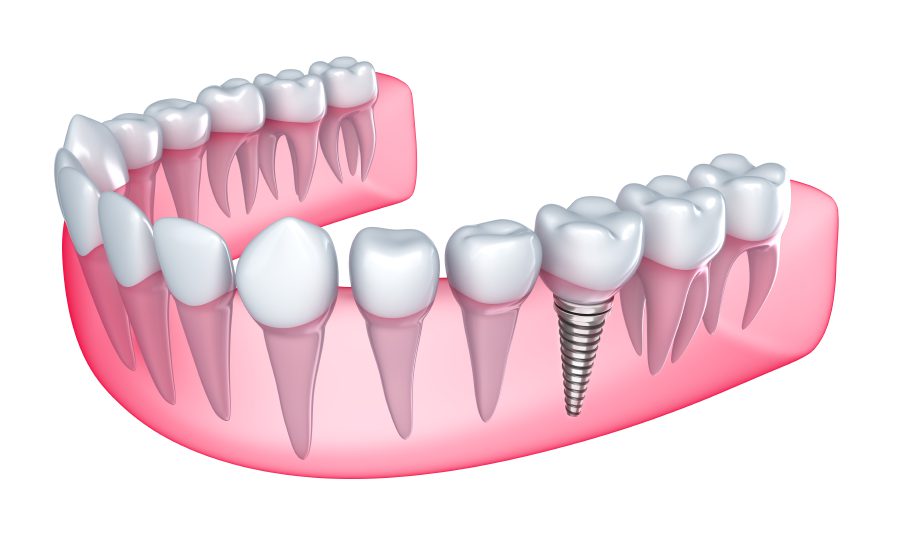
Dental implants that are widely in use today were invented in the 19th century. Today, they are considered as the standard prosthetic replacement of missing teeth in dentistry. The dental implant that acts as the replacement for the lost teeth is fixed into the jawbone, which fuses with the bone over time. The artificial tooth root holds the replacement teeth or bridge. As the dental implant stands without any support and has excellent stability, these are considered to mimic the natural teeth.

What Are Dental Implants?

The dental implants are usually made of titanium which has the ability to fuse into the bone without being rejected by the immune system. These implants fuse to the jawbone through a process called Osseointegration. Over time, technology has advanced and significantly improved the dental implants success rate close to 98%.

When Is A Dental Implant Needed?

Dental implants are used as the replacement of single teeth or several teeth or all the teeth. You have three options when it comes to teeth replacements. They are complete or partial dentures, fixed dental bridges, and dental implants.

Dentures are the most affordable option among the three but are least desired because of their inconvenience as they are removable. It also affects tastes and sensory experience of food. Dental bridges were much used before dental implants came into play, but it had a significant disadvantage of dependence on the adjacent natural tooth for support. But implants are anchored to bones and do not require any additional support.

Deciding On Which Treatment To Choose Depends On Several Factors Such As:

  • Location of the missing teeth
  • Cost
  • Patient preference
  • Quality of the jawbone

The dentists examine the patient and assess whether he is a good candidate for dental implants and discuss dental implants cost with them. As the dental implants integrate with the bone, they are more stable and look and feel like natural teeth.

Types Of Dental Implants:

There are two types of implants, the endosteal and subperiosteal implants. Endosteal implants are implanted directly into the jawbone. After the surrounding gum tissues cure, the artificial tooth or teeth are fixed to the post individually. Subperiosteal implants consist of metal frames that rest on top of the jawbone under the gum. However subperiosteal implants are not in practice now because of their poor long-term results.

There are some secondary uses of implants to assist other dental procedures. Due to their stability, they can be used to support removable dentures providing a more comfortable and secure fit.  Besides, dental mini implants can be used in orthodontics as temporary anchorage devices to help move teeth in the desired position.

Cost Of Dental Implants:

In Sydney, dental implants costs may vary with the location of the missing tooth and its severity. As dental implants offer a conservative approach, provide predictable results and last a lifetime, the money invested worth it.

Thursday, June 23, 2022

How Dental Implants Work With The Existing Teeth?

tooth implant

Dental implants are lifesavers for who lose their teeth or tooth due to aging or accidentally. Losing a tooth can affect anyone so severely.  It stops them from smiling in public, taking their favourite food, and more than anything it affects self-confidence. Losing it at the young age is worse. An implant could be the best solution to fix all the problems.

Most people choose to have implants rather than dentures due to its immense advantages. But how well will it go with your other natural teeth is the common question that arises.

Placing Dental Implants Alongside Natural Teeth:

The significant advantage of affordable dental implants cost is that they can be fit around the existing teeth. This means you don’t have to have any of your natural teeth removed to have an implant.

An artificial tooth root will be fitted to the jaw which will secure the false tooth. This means that an implant doesn’t need to be anchored to the existing natural teeth like the bridges. This makes dental implants a more hygienic option for replacing a missing tooth.

The dental implants will look and function effectively as regular teeth. It also adds structural support to the surrounding natural teeth, as well as taking on some chewing exertion, so the natural ones no longer overwork.

Will Dental Implant Affect The Natural Teeth?

No! The implant fits in the place of the missing tooth between the natural teeth. You can retain as many as natural ones you have along with the affordable dental implants cost. The implant will sit in the gaps filling them giving a natural looking and functioning artificial tooth.

Will Dental Implants Match The Shades Of The Existing Teeth?

Yes!  Dental implants fitted to the jawbone stands as the post to hold the artificial tooth structure. This is made by comparing the shades and with the impression of the existing teeth. With the affordable cost of dental implants one gets not just a tooth but the one that exactly matches the natural one in shape, colour and position. Even their close friends will not know they are having a dental implant unless they say it themself.

Caring Dental Implants And Natural Teeth:

The dentist would give detailed information on how to care for dental implants during the healing process.

The good news is, after the recovery phase one can care for their dental implants the same way as they care their natural teeth. Say, brushing and flossing teeth twice a day and cleaning mouth after every meal. This cuts out any extra hassle with implants and makes life easier. The dentist will also have check-up appointments to ensure the dental implants are healthy as it should be.
Dental implants in Sydney can make a real difference in anyone’s life by increasing their confidence in the smile and improving their ability to speak and eat properly again.

Are Bone Grafts Necessary for Implants


According to the Australian Institute of Health and Welfare, the average Australian adult is missing around five teeth. However, tooth loss is common, and it can happen as a result of trauma and disease. But, it doesn’t mean that you have to spend the rest of your life with missing teeth.

Today, dental implants are extremely popular in the market, as they are the only permanent solution to a missing tooth. While dental implants are a popular choice for replacing a missing tooth, unfortunately, if your teeth have been missing for a long time, bone grafting becomes necessary for receiving dental implants.

What causes bone loss?

When a tooth is missing, there is no more stimulation, and it could slow the replacement rate and cause the bone volume to decrease gradually. The jawbone could get reduced to about 25% during the first year and several millimeters in height after just a few years. Though dentures can restore lost function and appearance, they can’t duplicate this needed stimulation. They also tend to reduce bone loss by irritating and creating forces on the bones and gums they rest upon.

What are dental implants?

Dental implants are titanium screw that is inserted into the jawbone. The embedded titanium post is made of a biocompatible component that attracts bone cells to grow and adhere to its surface. So it increases bone density at the site. The affordable dental implants replace the root of a tooth and form a sturdy foundation to hold the crown or bridge.

Bone grafting for dental implants

Bone loss can be problematic for anyone wishing to replace their missing teeth with dental implants, as there may not be sufficient bone to support an implant. So, this is where bone grafting plays a vital role to help receive dental implants.

Your dentist may recommend bone grafting procedure prior to dental implants that affect the dental implants cost as well. Bone grafting is a procedure of adding bone to your existing jawbone to hold the implant securely in place.

Though bone grafting is a surgical procedure that can be sometimes extensive, it plays a vital role in making new teeth possible. So, if you have bone loss due to missing teeth, then you bone grafting procedure becomes necessary.

Based on several factors, there are potentially four bone graft options.

  • Using your bone
  • Using donated bone
  • Using animal bone
  • Using synthetic bone material

Additional procedures like bone grafting, sinus lift, and tooth extraction affect the overall cost of dental implants. Visit your dentist and find out your options to receive affordable dental implants.

Your Dental Implant Journey: A Step-by-Step Patient Guide

  Embarking on the path to dental implants can feel like a big undertaking. Knowing what to expect at each stage can demystify the process a...